






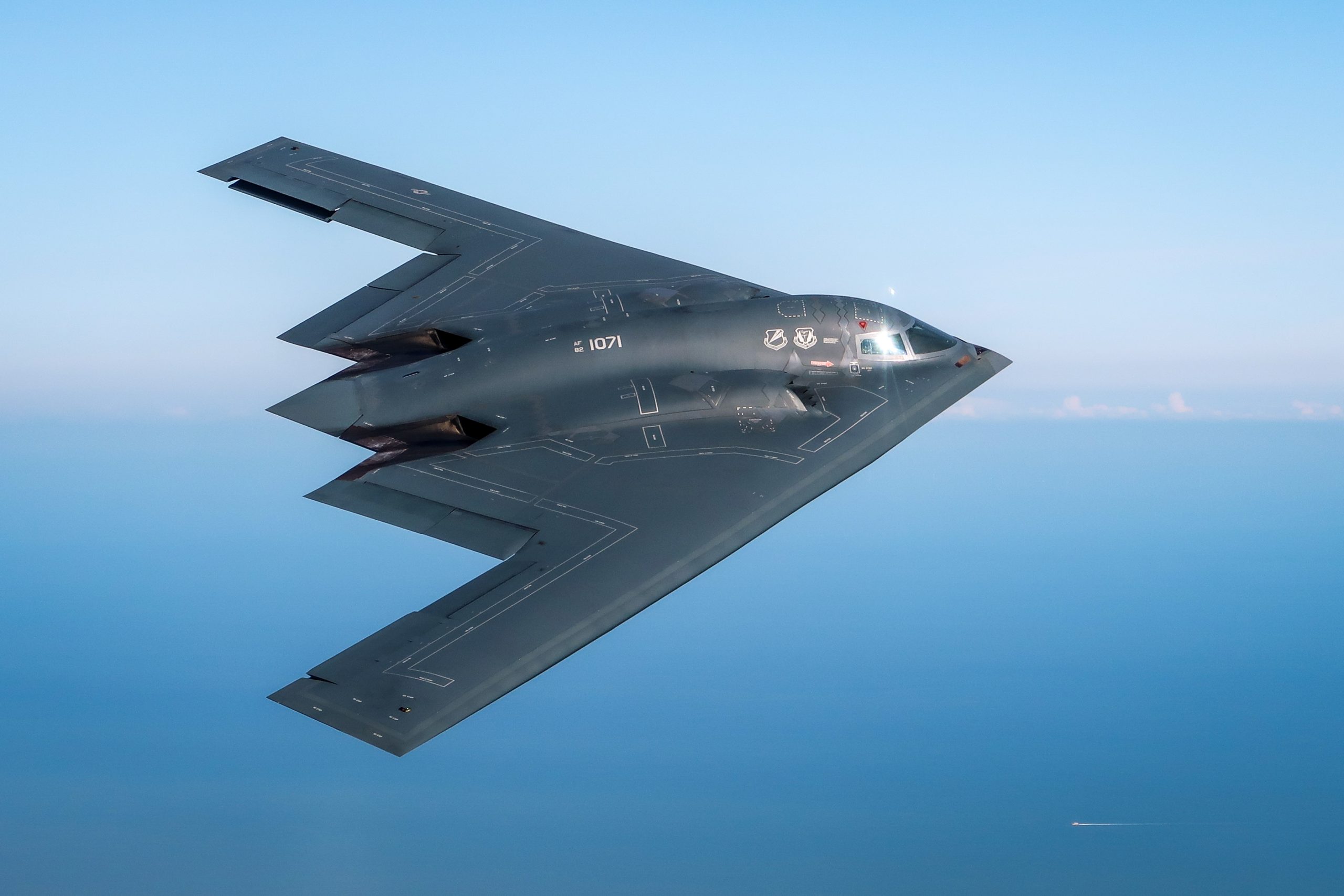
Radar Signature
What Is a Radar Signature?
A radar signature (in Turkish, radar izi) is the set of characteristic echo features that a reflecting object produces when illuminated by a radar. It functions as an electromagnetic fingerprint, allowing operators not only to detect a target but to classify and identify its type.
How Is a Radar Signature Formed?
When a radar pulse strikes an object, the geometry, material, and orientation of the object scatter the energy back to the receiver in a distinctive way. Features that shape the signature include:
- Overall shape and angles (flat surfaces vs. curved)
- Radar-absorbent materials and coatings
- Engine intakes and exhaust geometry
- Rotating components (e.g., turbine blades — known as JEM lines)
- Orientation relative to the radar (aspect angle)
Where Is Radar Signature Important?
- Aircraft and UAV design (stealth)
- Naval surface combatants
- Ground-based vehicles and missile launchers
- Non-cooperative target recognition (NCTR) on radar systems
- Electronic warfare and decoy development
Reducing Radar Signature
Low-observable (stealth) design seeks to reduce the radar signature — particularly the radar cross-section (RCS) — through shaping, radar-absorbent materials (RAM), internal weapons carriage, and shielded engine intakes. This is a central design goal of fifth-generation platforms like KAAN.
Radar Signature Work in Türkiye
Indigenous radar work in Türkiye is led by ASELSAN, with systems such as KORAL electronic warfare, ÇAFRAD multi-function radar, the MURAD AESA radar family, MİLDAR, and RETİNAR forming the backbone of national signature-related capabilities.
Quick Facts
- English: Radar signature
- Related Term: Radar Cross-Section (RCS)
- Domain: Radar systems & stealth
- Use Cases: Detection, classification, identification
- Leading Producer in Türkiye: ASELSAN
Frequently Asked Questions
What is a radar signature?
It is the characteristic radar echo of an object — used to detect and identify aircraft, ships, and vehicles.
How is a radar signature reduced?
Through stealth shaping, radar-absorbent materials, internal weapons carriage, and shielded engine intakes.
Where is this used?
In radar systems, sensor suites, electronic warfare, and stealth platform design.