



Few defense terms get used as loosely as “drone.” In military reporting, two acronyms quietly do most of the heavy lifting: UAV (unmanned aerial vehicle) and UCAV (unmanned combat aerial vehicle — known in Turkish as SİHA). The distinction sounds small. Operationally and politically, it is enormous.
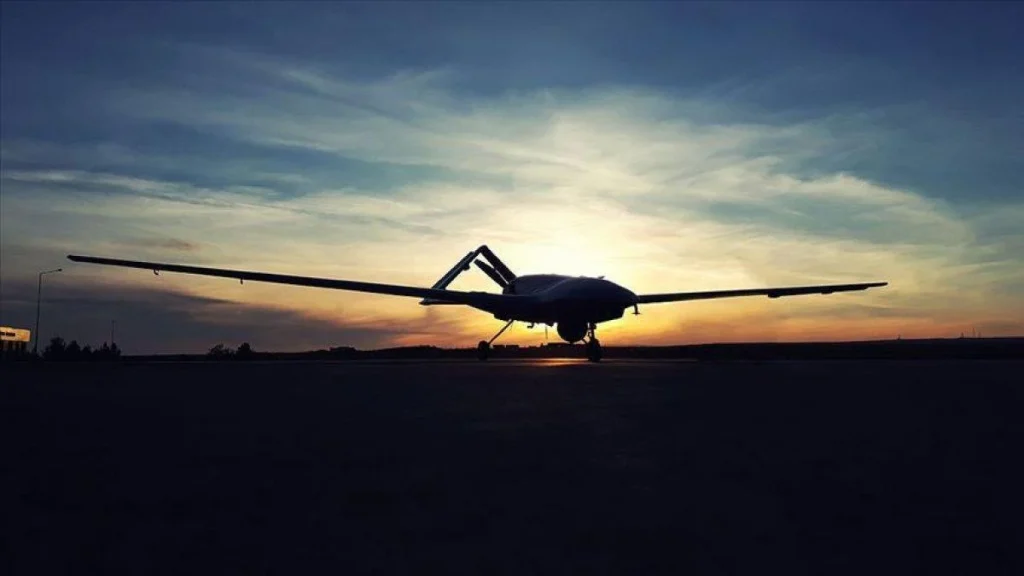
Turkey, in particular, has built one of the world’s most identifiable national UAV/UCAV ecosystems in the last decade — with platforms ranging from the iconic Bayraktar TB2 to the next-generation Kızılelma jet-powered combat drone. To understand how this fleet is used, you first need to understand the difference.
What is a UAV?
An unmanned aerial vehicle is exactly what the name says: an aircraft that flies without a pilot on board. It is controlled either remotely from a ground station or autonomously through a pre-programmed mission plan. The mission may be civilian or military — the platform itself is mission-agnostic.
Common UAV missions:
- Reconnaissance and surveillance (ISR)
- Mapping and aerial imagery
- Agriculture and precision crop spraying
- Disaster response and search & rescue
- Wildfire detection and monitoring
What is a UCAV (SİHA)?
A UCAV is the armed variant. It carries weapons — typically air-to-ground missiles, laser-guided bombs, or, in newer generations, loitering munitions — and is built to deliver effects, not just collect data. A UCAV is by definition a military system.
Typical UCAV missions:
- Target detection and tracking
- Reconnaissance and surveillance
- Direct strike against ground or maritime targets
The real difference, in one table
The line between UAV and UCAV is sharpest where it matters: what the platform can deliver at the end of its flight.
| Feature | UAV (Unarmed) | UCAV (Armed) |
|---|---|---|
| Primary mission | Reconnaissance, surveillance, mapping | Strike, ISR, suppression |
| Weapons | None | Air-to-ground missiles, laser-guided bombs, loitering munitions |
| Typical payload | EO/IR cameras, SAR radar, comms relay | Weapons + full sensor suite |
| Civilian use | Common (agriculture, mapping, SAR) | Military only |
| Turkish examples | Anka (early variants), Aksungur ISR | Bayraktar TB2, Akıncı, TB3, Kızılelma |
This is why modern doctrine treats UCAVs as “game changers”: they collapse the find-fix-finish chain into a single airframe operated by a single team, at a cost an order of magnitude below crewed strike aircraft.
Turkey’s UAV/UCAV portfolio
Turkey is now one of a handful of countries that builds, fields and exports indigenous unmanned aircraft across the full ISR and strike spectrum. The flagship platforms include:
- Bayraktar TB2 — the original combat-proven MALE UCAV that put Baykar on the global map
- Bayraktar Akıncı — heavy-class UCAV with multi-engine capability and strategic payload
- Bayraktar TB3 — carrier-capable, foldable-wing variant for the TCG Anadolu deck
- Kızılelma — jet-powered, low-observable unmanned combat aircraft
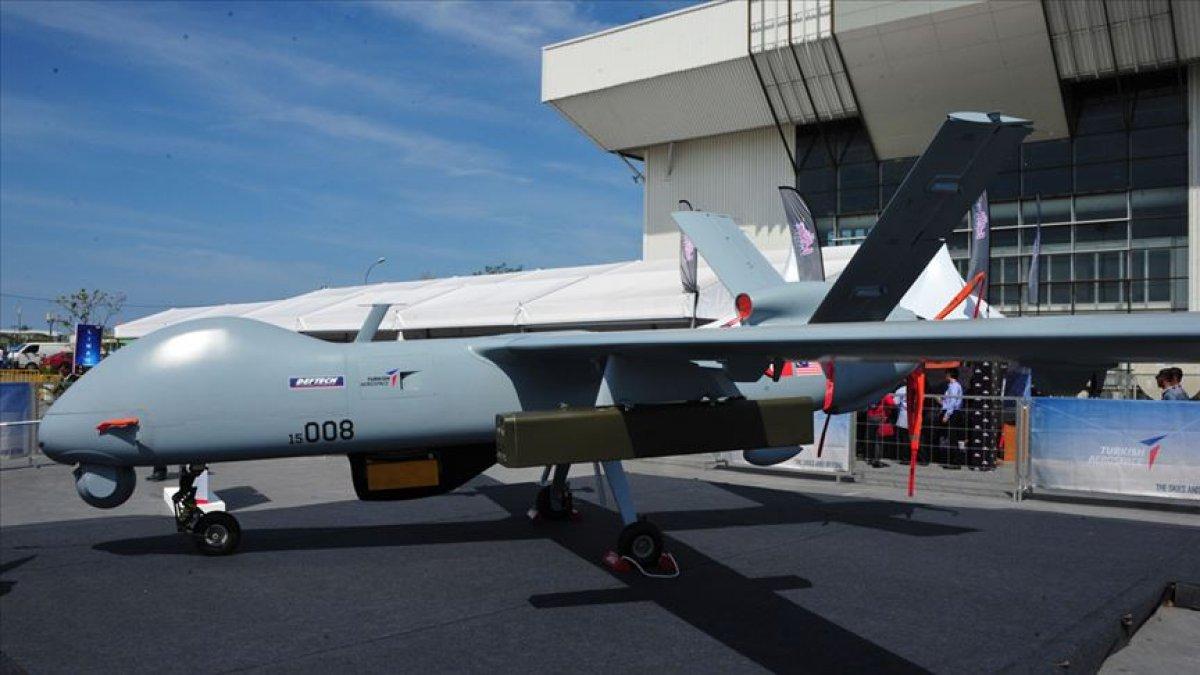
- TUSAŞ Anka & Aksungur — ISR/strike platforms with high-altitude endurance
- STM Kargu — loitering munition-class autonomous platform
These systems span everything from short-range tactical surveillance to deep-strike combat — and increasingly include electronic warfare and swarming capabilities.
The civilian crossover
UAV technology (not UCAV) is already deeply embedded in civilian sectors:
- Precision agriculture and crop monitoring
- Construction surveying and 3D mapping
- Power-line and pipeline inspection
- Maritime and border surveillance
Analysts expect this footprint to expand rapidly through the late 2020s as costs continue to fall and regulation matures.
Bottom line
The simplest way to remember the difference: a UAV sees; a UCAV sees and strikes. The hardware can look similar — but the doctrine, the rules of engagement, and the political weight behind them are fundamentally different.
Sources
Compiled from open-source defense reporting and manufacturer disclosures.